-
 Gold
ABSA Your story matters
Gold
ABSA Your story matters -
TIER 1
BOTSWANA CHAMBER OF MINES
-
Gold
Botswana ASH
-
TIER 1
Stanbic Bank
-
Gold
Dulux
-
TIER 1
UNDP TOWARDS A GREEN, JUST AND PROSPEROUS BOTSWANA
-
Gold
BURS
-
Gold
Bryte to approach risk with purpose
-
Gold
Botswana Housing
-
TIER 1
Debswana
-
Gold
LEA
-
Gold
Champs Botswana
-
Silver
Cummins
-
Silver
Epiroc
-
Bronze
ELPHUTURA
-
Bronze
SASA
-
Bronze
Source of Success (SOS)
-
Bronze
Green Wealth
-
Bronze
keiv plus
-
Bronze
Cally Clothing
-
Bronze
All Bulk
-
Bronze
BAGPIPER
-
Bronze
Honey Guide Lemepe
-
Bronze
Mega Bags Botswana
-
Bronze
YTV
-
TIER 5
Vivo Energy
-
TIER 5
Premier Workwear
Join us next time to meet Botswana Chamber of Mines!
About the Human Resource Development Council (HRDC)
The Human Resource Development Council (HRDC) was established by the HRDC Act No 17 of 2013 which became effective on the 8th November, 2013. In a supervisory capacity and acting as Government’s advisor on human resource development, the HRDC provides a platform for the Public Sector, Private Sector and Civil Society to act in concert to drive the National Human Resource Development Strategy (NHRDS).
Specifically, HRDC coordinates efforts by all parties to study Botswana’s education and skills development mechanism, assesses its impact on national priorities, identifies barriers to effective delivery of the NHRDS and mutually agrees on targeted solutions that should be implemented in the short, medium and long term in alignment with the strategic intent (as pronounced in the NHRDS).
The implementation of the above targeted solutions are driven by a set of clear initiatives that are coordinated, promoted and overseen by the HRDC in partnership with relevant stakeholders.
The establishment of the HRDC, therefore, represents a clear acknowledgement by Government of the need to drive effective HRD through a process that engages and accommodates the input and broad participation of the public sector, the private sector, civil society, labour, youth, educational institutions and other key stakeholders as partners in establishing an effective sector-focused HRD base.
LMS26 is designed not only as a conversation space but as an action-oriented platform—connecting manufacturers with policymakers, financiers, buyers, and solution providers to unlock tangible growth opportunities. By fostering collaboration, sharing proven regional case studies, and aligning policy with industry needs, the Local Manufacturing Summit 2026 aims to play a pivotal role in positioning Botswana as a competitive manufacturing and export hub within Africa and beyond.
Export Market Access & Trade Protocols
Understanding the rules, standards, and pathways to regional and global markets.
Special Economic Zones & Industrial Infrastructure
Leveraging SEZs and infrastructure to drive manufacturing competitiveness.
Financing & Investment Support
Unlocking capital, incentives, and risk mitigation for manufacturers.
Skills, Technology & Innovation
Building the capabilities needed for modern, export-ready production.
Public–Private Partnerships
Aligning policy, industry, and investment to accelerate industrial growth.
Purchase Tickets
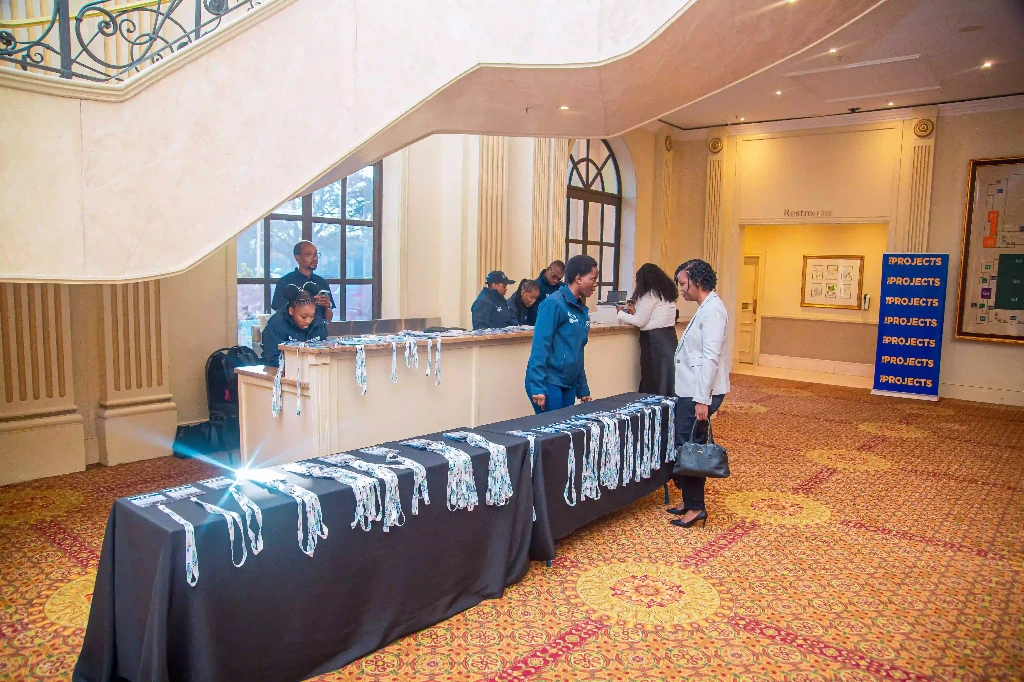
Physical Conference Ticket
P 4,000
Digital access to presentation slides

Virtual Conference Ticket
P 2,500
Recommended: Headphones for optimal audio experience
Annual Local Manufacturing Summit Participation Growth
14%
Projects Facilitated by Botswana Chamber of Mines
+100
Botswana's Import Bill (2024)
$7.06B
Botswana Chamber of Mines Members
43
LMS25 Delegates
314
LMS25 Exhibitors
53
Website visitors
22,000
International Speakers
4
We are in good company.