-
 Gold
Turnbridge Projetcs (Pty) Ltd
Gold
Turnbridge Projetcs (Pty) Ltd -
Gold
Botswana Power Corporation (BPC) bpc
-
Gold
LubePlus Energies Powering Progress
-
Gold
Botswana Bureau of Standards (BOBS)
-
Gold
Arcee (Pty) Ltd
-
Gold
Bagpiper Pty Ltd
-
Gold
Radical Investment t/a FLOTEK Flow better with us
-
Gold
ElectroMaster Botswana
-
Gold
SDM SWITCHBOARDS
-
Gold
Botswana Trade Commission (BOTC)
-
Gold
Botswana Ash
-
Gold
Foods Botswana Sefalana Sa Rona – Your basket of opportunities
-
Gold
Honey Guide
-
Gold
ABSA Bank Botswana
-
Gold
Multotec Botswana
-
Gold
Strides of Succes
-
Gold
Treselle Investments
-
TIER 3
The Projects Magazine
-
TIER 4
Morupule Coal Mine Seam to Value
-
TIER 4
Premier Clothing
-
TIER 5
Cally Clothing
-
ISP Sponsor
Abari Communications We show up
Join us next time to meet BCM!

LMS26 is designed not only as a conversation space but as an action-oriented platform—connecting manufacturers with policymakers, financiers, buyers, and solution providers to unlock tangible growth opportunities. By fostering collaboration, sharing proven regional case studies, and aligning policy with industry needs, the Local Manufacturing Summit 2026 aims to play a pivotal role in positioning Botswana as a competitive manufacturing and export hub within Africa and beyond.
Export Market Access & Trade Protocols
Understanding the rules, standards, and pathways to regional and global markets.
Special Economic Zones & Industrial Infrastructure
Leveraging SEZs and infrastructure to drive manufacturing competitiveness.
Financing & Investment Support
Unlocking capital, incentives, and risk mitigation for manufacturers.
Skills, Technology & Innovation
Building the capabilities needed for modern, export-ready production.
Public–Private Partnerships
Aligning policy, industry, and investment to accelerate industrial growth.
Purchase Tickets
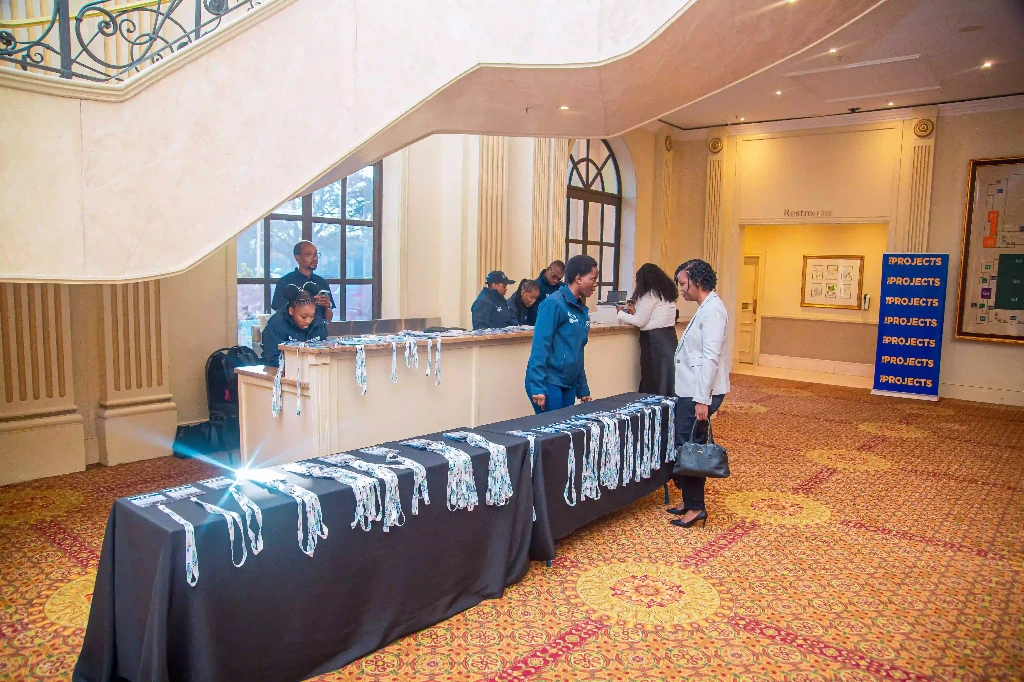
Physical Conference Ticket
P 4,000
Digital access to presentation slides
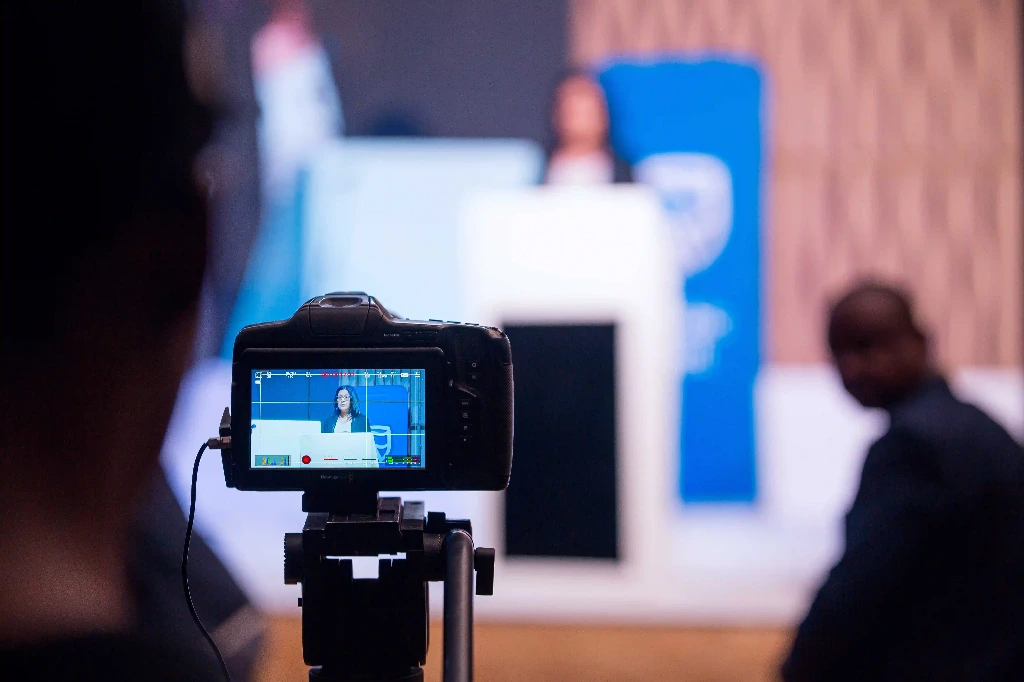
Virtual Conference Ticket
P 2,500
Recommended: Headphones for optimal audio experience
Annual Local Manufacturing Summit Participation Growth
14%
Projects Facilitated by Botswana Chamber of Mines
+100
Botswana's Import Bill (2024)
$7.06B
Botswana Chamber of Mines Members
43
LMS25 Delegates
314
LMS25 Exhibitors
53
Website visitors
22,000
International Speakers
4
We are in good company.