-
Panel Discussion: Driving Demand for Local Produce: The Offtaker’s Perspective
Done
-
Questions & CommentsDone
-
Questions & CommentsDone
-
Presentation: The Dynamics and Power of Cooperatives and Cluster Development for High Value Crops Production: Insights and Experience – The Case of Uganda
Bamwenda BenardDone
-
Panel Discussion: Downstream Value Addition in High Value Crops and Food Processing
Done
-
Presentation: High-Value Crops: Moringa as an Anchor Crop in Agriculture-Based Clusters.
Elfas ZadzagomoDone
-
Presentation: Unpacking Botswana’s National Agro-Processing Strategy
Prof. Julius AtlhophengDone
-
Questions & CommentsDone
-
Off-take agreements for local & export markets. (Imperatives for growth & sustenance of local manufacturers).
Joseph RamotshabiDone
-
Questions & CommentsDone

LMS26 is designed not only as a conversation space but as an action-oriented platform—connecting manufacturers with policymakers, financiers, buyers, and solution providers to unlock tangible growth opportunities. By fostering collaboration, sharing proven regional case studies, and aligning policy with industry needs, the Local Manufacturing Summit 2026 aims to play a pivotal role in positioning Botswana as a competitive manufacturing and export hub within Africa and beyond.
Export Market Access & Trade Protocols
Understanding the rules, standards, and pathways to regional and global markets.
Special Economic Zones & Industrial Infrastructure
Leveraging SEZs and infrastructure to drive manufacturing competitiveness.
Financing & Investment Support
Unlocking capital, incentives, and risk mitigation for manufacturers.
Skills, Technology & Innovation
Building the capabilities needed for modern, export-ready production.
Public–Private Partnerships
Aligning policy, industry, and investment to accelerate industrial growth.
Purchase Tickets
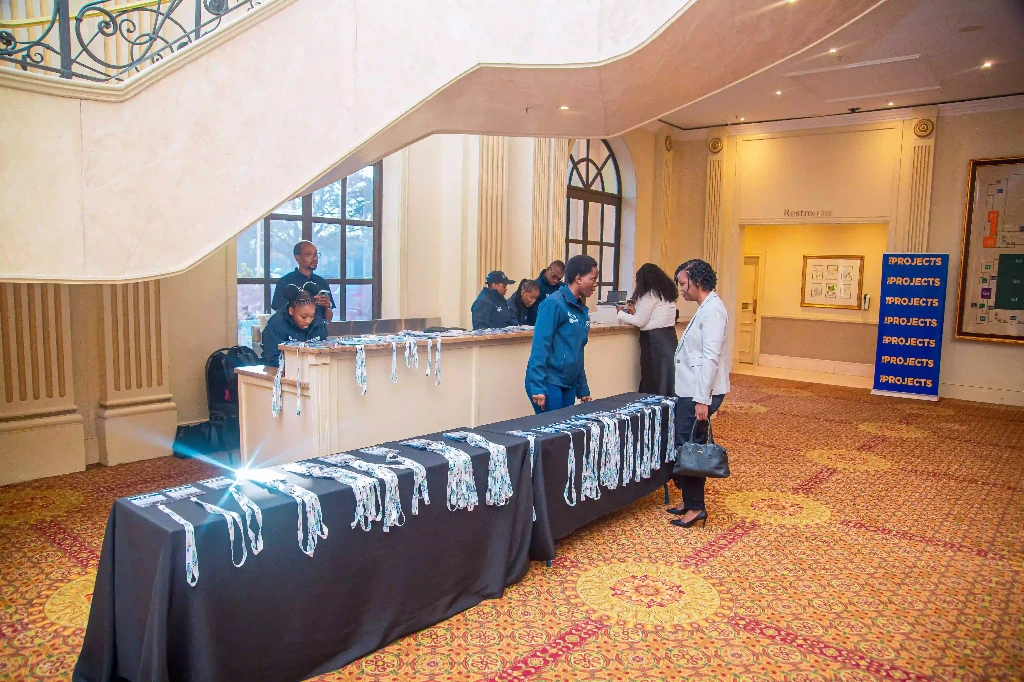
Physical Conference Ticket
P 4,000
Digital access to presentation slides

Virtual Conference Ticket
P 2,500
Recommended: Headphones for optimal audio experience
Annual Local Manufacturing Summit Participation Growth
14%
Projects Facilitated by Botswana Chamber of Mines
+100
Botswana's Import Bill (2024)
$7.06B
Botswana Chamber of Mines Members
43
LMS25 Delegates
314
LMS25 Exhibitors
53
Website visitors
22,000
International Speakers
4
We are in good company.